Life can feel overwhelming. Now imagine living fully without limbs. History shows many limbless legends lead incredible lives, proving the human spirit can conquer the toughest odds.
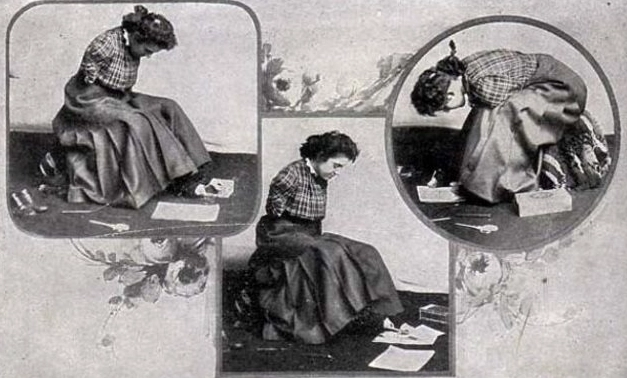
10. Kittie Smith
9. Johnny Eck
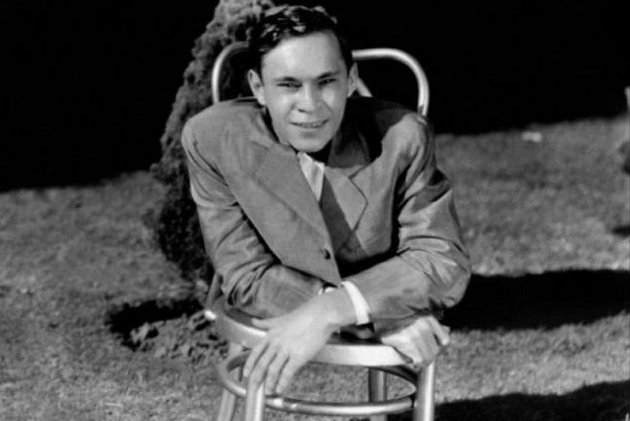
Born in 1911 without legs, John "Johnny" Eckhardt defied limits from infancy, walking on his hands before his twin brother could stand. His fierce independence and agility led him to fame in 1923 as part of a magic show, where he stunned audiences as "The Famous Half Boy." While his brother left the spotlight, Johnny thrived in carnivals and circuses, mastering magic and acrobatics.
His ambitions outgrew the stage, and in 1932 he starred in Tod Browning's film Freaks and later in Tarzan movies. As public interest in oddity shows waned, Johnny settled down with his brother to pursue painting, music, and woodworking. He lived a relatively reclusive life until his passing in 1991, with his twin by his side.
8. Prince Randian
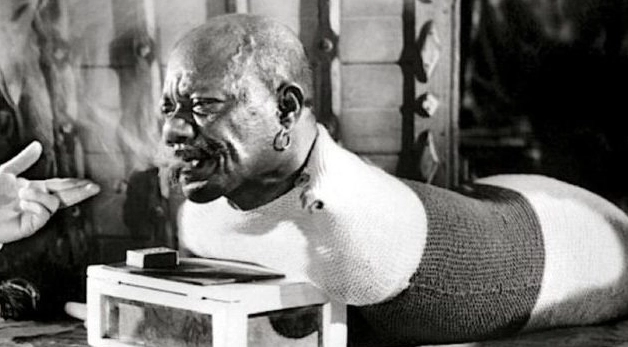
Born in 1871 in British Guiana with tetra-amelia syndrome, Prince Randian lacked all limbs. Despite this, he thrived. Brought to the US in 1889 by P.T. Barnum, he became a famed circus attraction known as "The Human Caterpillar," astounding crowds with his independence and unique movement.
A talented polyglot fluent in multiple languages, Randian could roll and light cigarettes, write, paint, and shave using only his mouth. His charm won him a wife, with whom he had five children. His fame peaked with a role in the 1932 film "Freaks," showcasing his skills. After retiring, a brief 1934 comeback preceded his death from a heart attack.
7. Eli Bowen
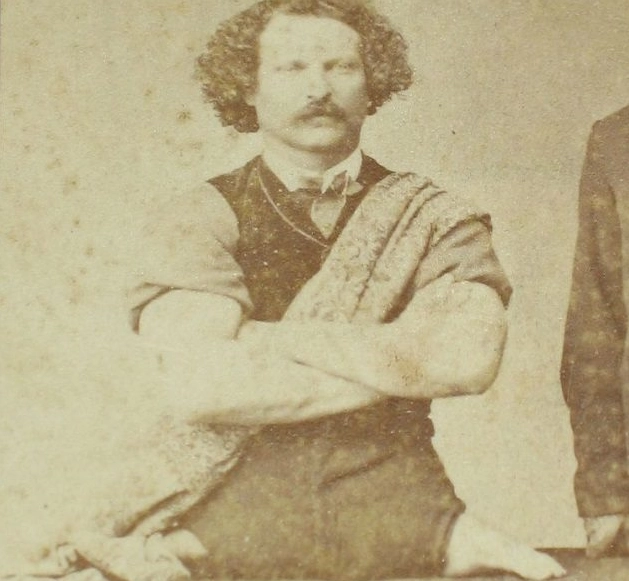
Born in 1844 without legs, Eli Bowen overcame his rare condition, phocomelia, by learning to walk on his hands. He developed immense upper-body strength through farm work, pursuing his dream of becoming an acrobat. After honing his skills in wagon shows, he was discovered by P.T. Barnum and performed internationally, gaining fame for his acrobatics and handsome appearance.
In 1870, Eli married Mattie Haines and they had four sons. Despite a happy family and fortune, his passion for performing never faded. He continued captivating audiences well into his eighties, thriving in the limelight. Eli passed away in 1924 from pleurisy, just days before a scheduled show.
6. Nikolai Kobelkoff
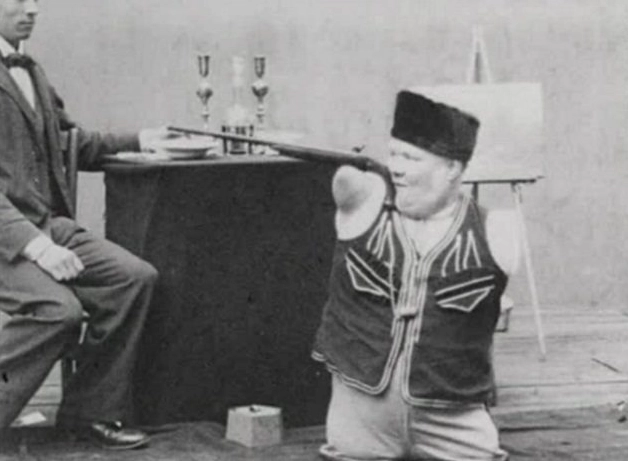
In July 1851, Nikolai Kobelkoff was born in Russia without arms or legs, hidden away by ashamed parents. A local schoolteacher later rescued him, providing an education. Despite his disabilities, Nikolai mastered writing and painting, and even worked as a bookkeeper for his family’s mine by age 18.
Discovered by a showman in 1871, he gained global fame as “The Human Trunk,” amazing audiences with skills like threading a needle. He married Anna Wilfert in Vienna, fathered ten children, and later produced a film about his life. Using his wealth, he purchased an Austrian amusement park. Nikolai died in Austria in 1933, a wealthy and accomplished man.
5. Carl Unthan
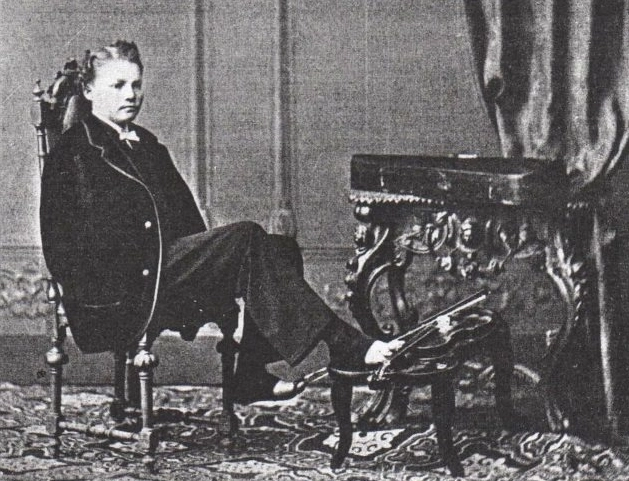
Born armless in 1848, Carl Unthan defied a dire start—reportedly saved by his father from a midwife—to master life with his feet. Taught by his supportive father, he learned to write and, driven by a love for music, mastered the violin, earning global fame as the "Armless Fiddler."
Beyond performing, Unthan's eloquent compassion shone during World War I, where he volunteered to uplift German amputees, famously stating, "Lost arms and legs are not the equivalent of lost lives." He later married, toured worldwide, settled in the U.S., and even starred in a silent film at 65. He died at 80, beloved and prosperous.
4. Frieda Pushnik
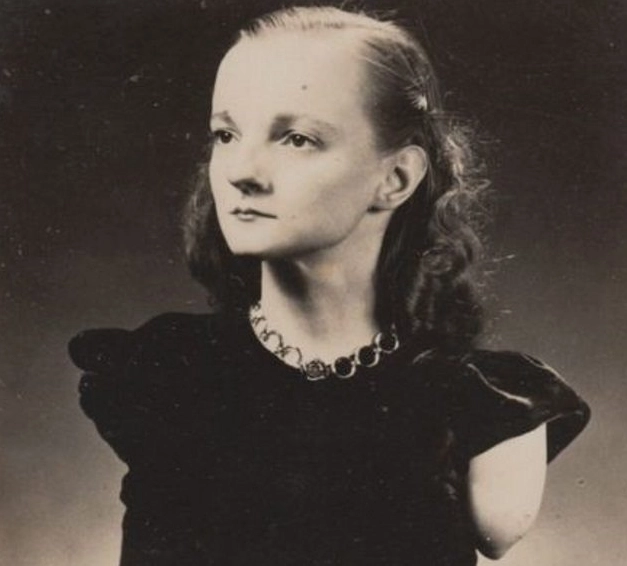
Born in Pennsylvania in 1923 without limbs except for a small left arm stump, Frieda Pushnik never considered herself different. Remarkably self-sufficient, she learned to write by holding a pencil under her chin and mastered daily tasks. Her spirited nature was evident from childhood, enjoying play and outdoor adventures with siblings.
Discovered by Robert Ripley, she debuted at the 1933 World's Fair, captivating millions. She toured with Ripley for six years and later performed with Ringling Brothers for 13. Frieda retired in 1956, moving to California with family. She passed away in 2000, but her extraordinary life and resilience remain unforgettable.
3. Frances O’Connor
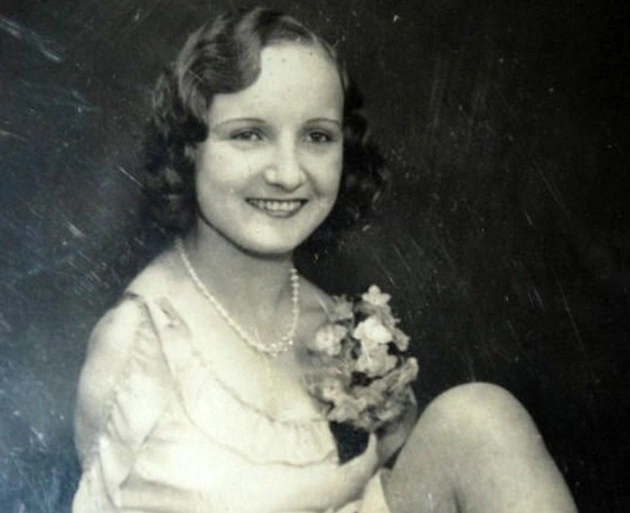
Born in 1914 without arms, Frances O'Connor never saw herself as different. She toured with her mother in sideshows, mastering tasks with her dexterous legs. Joining Al G. Barnes and later Ringling Brothers for 20 years, her grace earned her the name "The Living Venus de Milo." Her performances offered a respectable alternative to burlesque, captivating audiences and drawing countless marriage proposals, which she always declined.
Frances also appeared in the film Freaks, showcasing her skilled footwork. After her time in the spotlight, she retired to a quiet life in California, where she lived peacefully until her passing in 1982.
2. Dick Hilburn
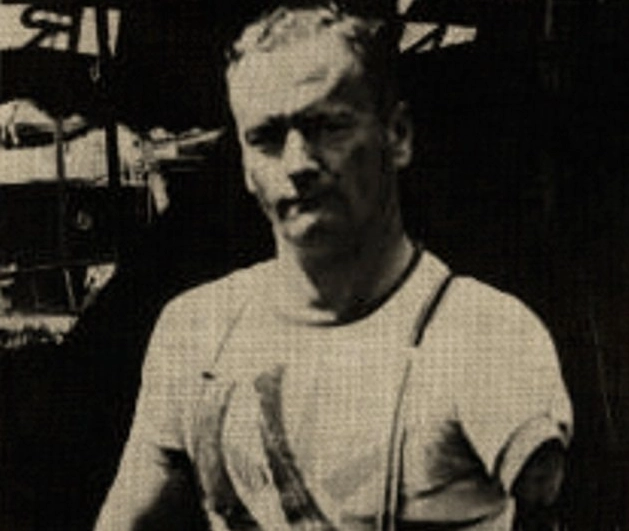
Dick Hilburn, known as "The Quarter Man," was born in 1918 in North Carolina with profound physical differences. Despite having no legs, only a partial right arm, and a two-toed foot from his hip, he was fiercely strong and independent from youth. He mastered mobility on a rolling board, building tremendous upper-body strength.
A talented artist, he worked as a painter and tattoo artist. He also successfully managed and starred in his own oddity show, collaborating with others like Carl "Frogboy" Norwood, and ran a diner during off-seasons. He married and worked tirelessly until his death in 1971, remembered by all as a strong-willed, smart, and exceptionally hard-working man.
1. Stanley Berent
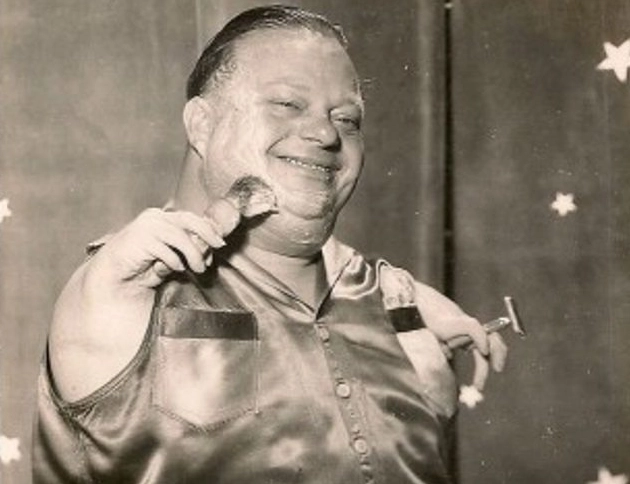
Stanislaus "Stanley" Berent, born in 1901 with phocomelia (hands attached at shoulders), was discovered selling newspapers and became a major sideshow star. He amazed audiences by performing everyday tasks and was beloved for his upbeat personality. He famously befriended a chimpanzee that defended him from mockery.
Despite his career declining in 1972 due to changing social attitudes, Stanley remained positive. He retired to Florida in 1976, later returning to Pittsburgh, and passed away in 1980. His spirited career spanned over three decades, leaving a lasting impression of resilience and cheer.
Related Articles
Beginner's Guide to Trading Concept Stocks: Strategies & Risks
Want to learn how to participate in concept stocks as a beginner? This comprehensive guide covers step-by-step strategie...
Can You Lose More Money Than You Invest in Day Trading?
Wondering if day trading can cost you more than your initial deposit? Yes, through leverage and margin, losses can excee...

Accurate prediction of the daily limit! How to do it exactly?
Recently, from Nanjing Chemical Fiber to Zhongtong Bus, and then to Jiaxin Silk and Baichuan Shares, the market trends o...
Can Regular People Make Money in Stocks? A Realistic Guide
Can the average person truly build wealth in the stock market? This realistic guide cuts through the hype, outlining a p...

How can A-shares share a bigger piece of the cake at present?
How can A-share investors get a bigger piece of the cake? I think many investors are not clear about this.Some fans beli...